Firearm Shopping 101: Tips for Buying Guns at Pawn Shops
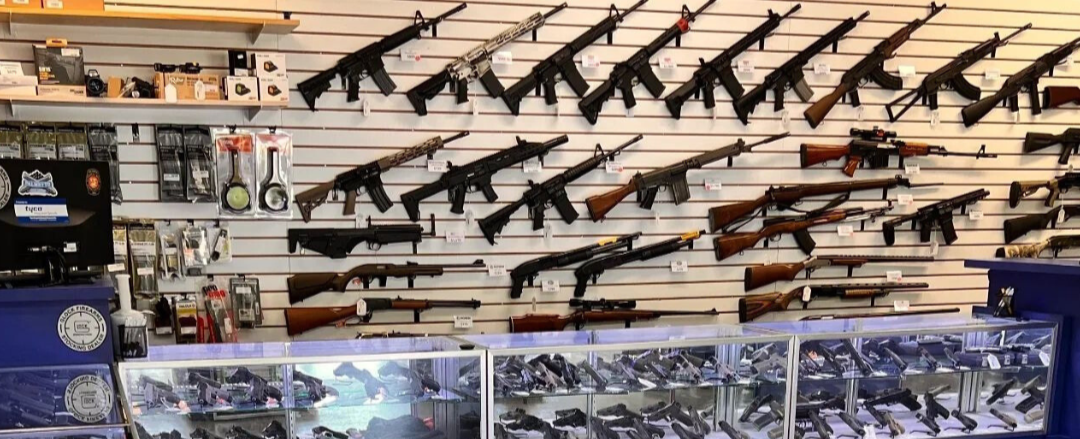
Pawn shops have become popular places to buy firearms, offering a wide selection of guns at competitive prices. However, for first-time buyers, the process can be intimidating. It's crucial to be well-informed to make a safe and satisfactory purchase. This blog will guide you through the essential tips for buying guns at pawn shops, ensuring a smooth and confident buying experience.
Understanding Pawn Shop Regulations for Firearms
When purchasing firearms from pawn shops, it's essential to understand the regulations governing these transactions. All pawn shops must comply with federal laws, including conducting background checks on all buyers through the National Instant Criminal Background Check System (NICS). State laws can vary significantly—some states may have additional requirements such as waiting periods, specific paperwork, or additional background checks. Unlike private sales, pawn shops are federally licensed firearms dealers (FFLs) and must adhere to strict record-keeping and regulatory requirements, making buying from a pawnshop often safer and more reliable than private transactions.
Research and Preparation
Before heading to a pawn shop, decide on the type of firearm you need—handguns, rifles, and shotguns all serve different purposes. Research reputable brands and models that fit your needs and budget. Familiarize yourself with current market prices using websites like GunBroker and Armslist. Set a realistic budget, including any additional costs for accessories, ammunition, or potential repairs.
Inspecting the Firearm
Once you find a firearm that interests you, a thorough inspection is necessary. Look for signs of wear and tear, such as rust, scratches, and dents. Test the action, trigger, and safety features. Ask the pawn shop staff about the firearm's history. If you are not confident in your inspection skills, consider taking the firearm to a professional gunsmith for a detailed evaluation before finalizing the purchase.
Negotiating the Price
Negotiation is a common and accepted practice at pawn shops. Armed with knowledge of fair market prices, you can confidently negotiate a fair price. If you notice any flaws or potential issues, mention these during negotiations to justify a lower price. Always approach negotiations respectfully—building a good rapport can sometimes lead to better deals and future discounts.
Completing Your Purchase
Once you've agreed on a price, complete all required paperwork and undergo a background check as mandated by law. Understand the terms of the sale, including any warranties, return policies, or conditions for returning the firearm. Follow legal and safety guidelines for transporting the firearm from the pawnshop to your home—use a proper gun case and ensure it is unloaded during transport.
Post-Purchase Considerations
After purchasing your firearm, have it thoroughly inspected and cleaned by a professional gunsmith to ensure it's in optimal condition. Take time to familiarize yourself with the firearm's operation and maintenance requirements. If you're a first-time gun owner, consider taking a safety course to learn proper handling, storage, and usage techniques. Ready to explore our wide selection of firearms? Visit online or in-store to see our current inventory, or drop by our brick-and-mortar location for personalized assistance from our knowledgeable staff.